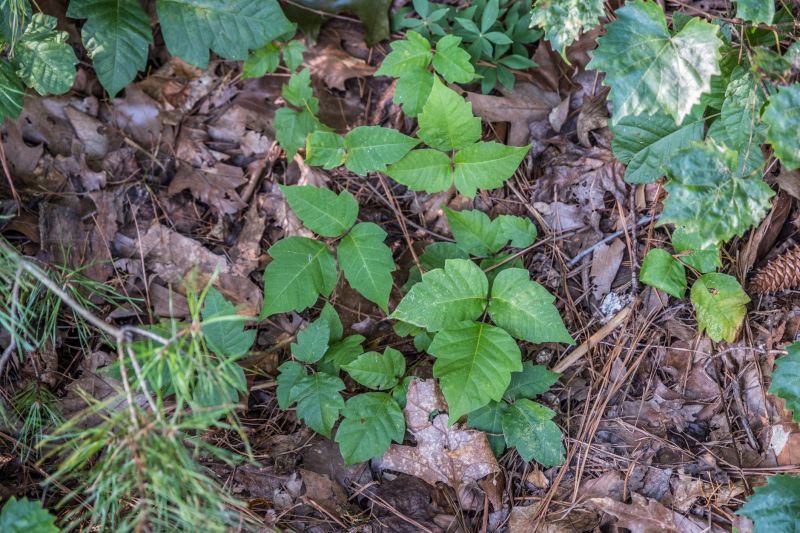
Poison Oak Removal in Delaware County, PA
Poison oak removal services involve the safe and effective clearing of poison oak plants from residential properties. These services typically cover a variety of projects, including clearing overgrown areas, landscaping around homes, and managing brush in yards or gardens where poison oak poses a risk. Property owners often seek this service to reduce exposure to skin irritation and allergic reactions caused by contact with the plant, especially in outdoor spaces used for recreation or gardening.
Before requesting poison oak removal, property owners should consider the extent of growth and the location of the plants on the property. It’s helpful to understand whether the plants are in accessible areas or near other landscaping features, as well as any safety concerns related to the removal process. Clarifying the scope of work and any specific safety precautions can ensure the removal is handled efficiently and safely.
Many property owners in Delaware County, PA look into Poison Oak Removal for repairs, replacements, upgrades, and appearance-related improvements.
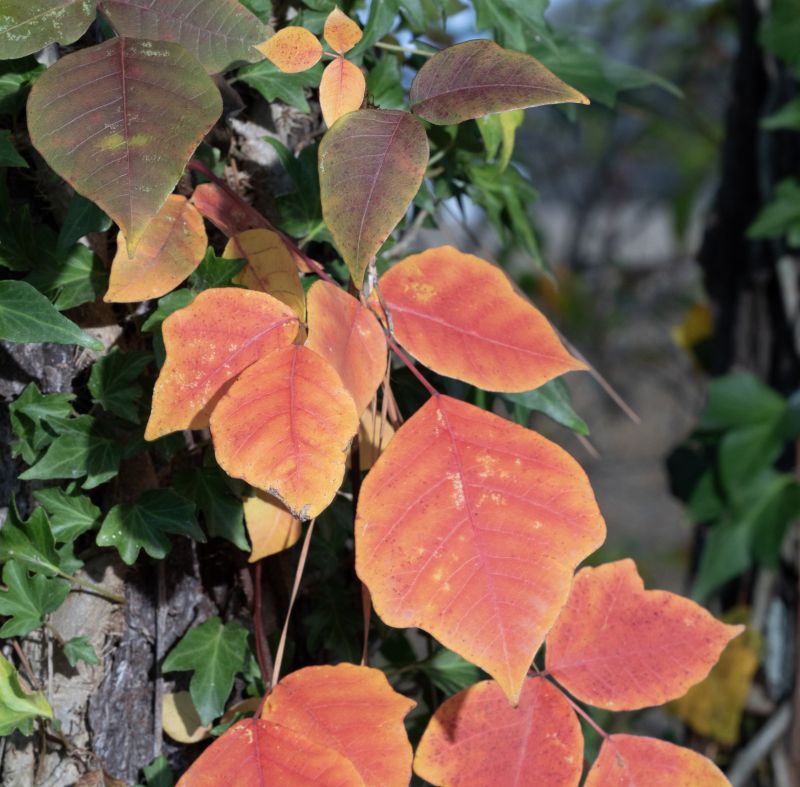
Poison Oak Removal For Property Safety
Removing poison oak helps prevent skin irritation and allergic reactions for residents and visitors.
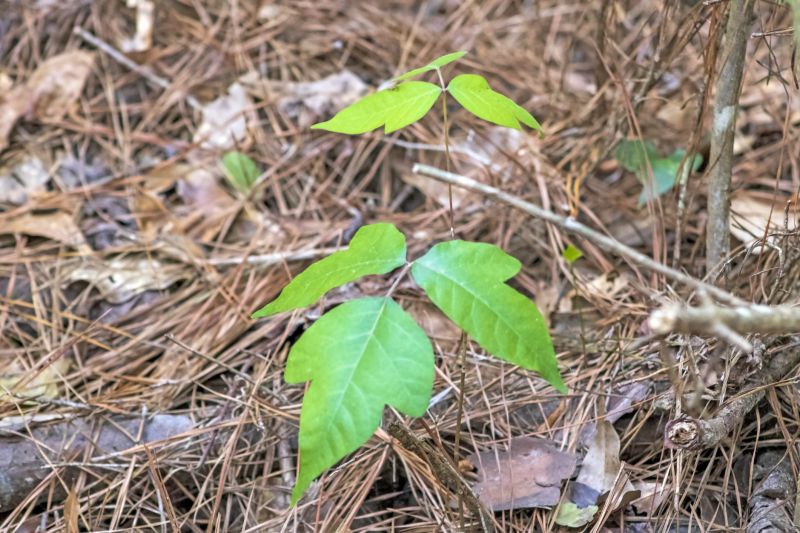
Clearing Overgrown Areas
Poison oak removal is often needed in overgrown yards, wooded lots, and along fence lines in delaware county.
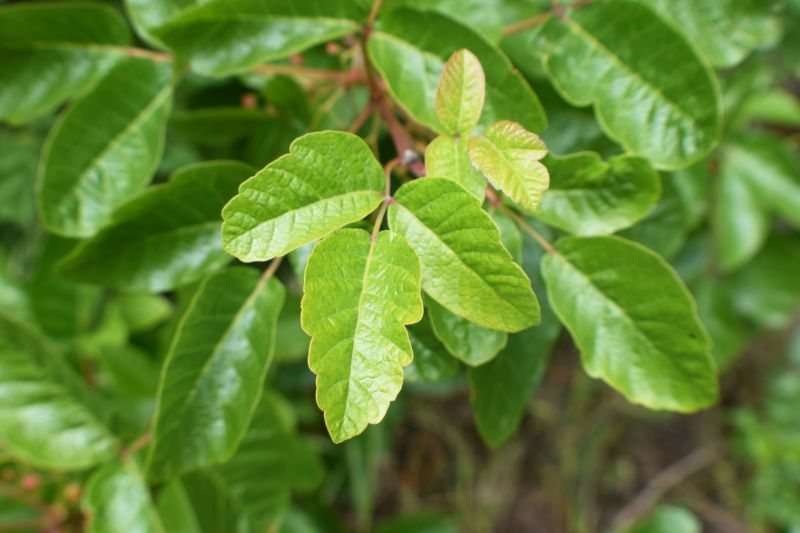
Protecting Landscaping And Gardens
Eliminating poison oak preserves the health of existing plants and maintains the aesthetic of outdoor spaces.
Poison Oak Removal in Delaware County, PA

Poison oak removal services involve the safe and effective clearing of poison oak plants from residential properties. These services typically cover a variety of projects, including clearing overgrown areas, landscaping around homes, and managing brush in yards or gardens where poison oak poses a risk. Property owners often seek this service to reduce exposure to skin irritation and allergic reactions caused by contact with the plant, especially in outdoor spaces used for recreation or gardening.
Before requesting poison oak removal, property owners should consider the extent of growth and the location of the plants on the property. It’s helpful to understand whether the plants are in accessible areas or near other landscaping features, as well as any safety concerns related to the removal process. Clarifying the scope of work and any specific safety precautions can ensure the removal is handled efficiently and safely.
Many property owners in Delaware County, PA look into Poison Oak Removal for repairs, replacements, upgrades, and appearance-related improvements.
Common Poison Oak Removal Jobs
Poison Oak Removal - Safely eliminates poison oak from yards and landscaping areas.
Property Clearing - Removes poison oak to improve outdoor safety and visibility.
Landscape Maintenance - Integrates poison oak removal into regular yard upkeep.
Overgrown Area Cleanup - Clears dense poison oak growth from neglected or wild areas.
Fence Line Clearing - Removes poison oak along property boundaries and fences.
Trail and Pathway Clearing - Ensures safe access by removing poison oak from walking routes.
Poison Oak Removal Questions
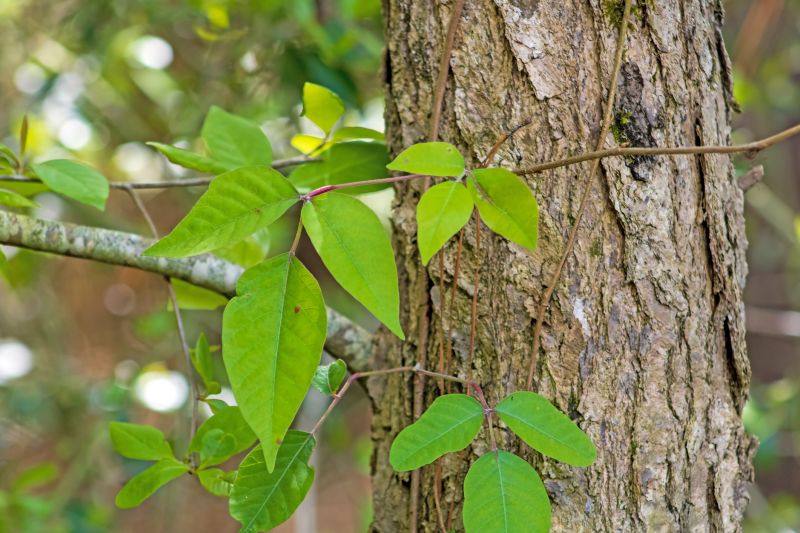
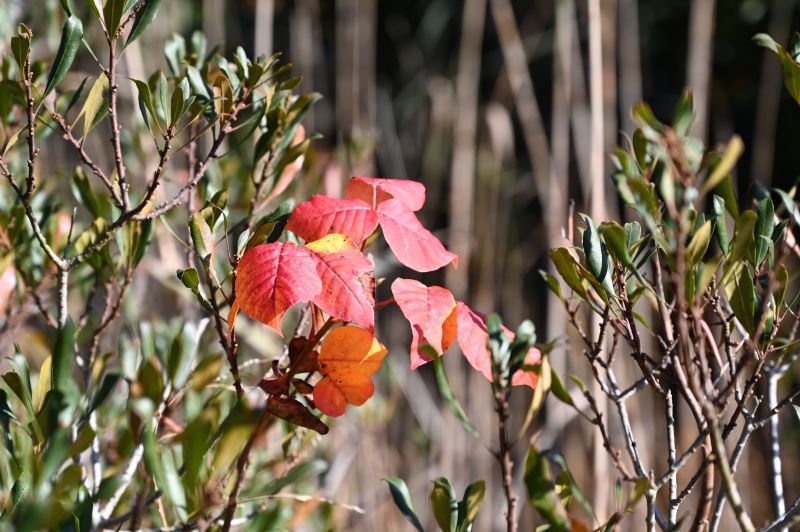
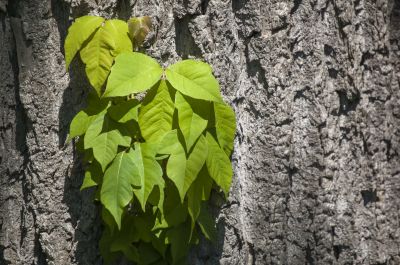
What is poison oak removal? Poison oak removal involves safely eliminating the plant from residential or commercial properties to prevent skin irritation and health risks.
When should poison oak be removed? Removal is recommended when poison oak plants are growing in accessible areas, especially near walkways, yards, or recreational spaces.
What are common methods for poison oak removal? Techniques include manual removal, herbicide application, and root excavation to ensure complete elimination of the plant.
Why hire a professional for poison oak removal? Professionals have the experience to safely remove poison oak, reducing the risk of skin contact and ensuring thorough eradication.
Request Poison Oak Removal in Delaware County, PA
Use the quote form on this page to share the basics of your project and request more information for the type of work you need.