Poison Ivy Removal in Delaware County, PA
Poison ivy removal services help homeowners eliminate this common and irritating plant from their properties, ensuring safety and reducing the risk of skin reactions. These services typically cover a variety of projects, including clearing poison ivy from lawns, gardens, fence lines, and wooded areas. Property owners interested in this service should understand the importance of proper identification, the potential hazards involved, and the benefits of professional removal to prevent regrowth and protect family members, pets, and visitors from exposure.
Before requesting poison ivy removal, property owners often want to know about the scope of work, such as whether the service includes root removal or just above-ground plants, and if follow-up treatments are recommended. It’s also helpful to understand the methods used to ensure thorough eradication and to clarify any safety precautions to take during and after the process. Proper planning can help maintain a healthy landscape while safely removing unwanted poison ivy growth.
Many property owners in Delaware County, PA look into Poison Ivy Removal for repairs, replacements, upgrades, and appearance-related improvements.
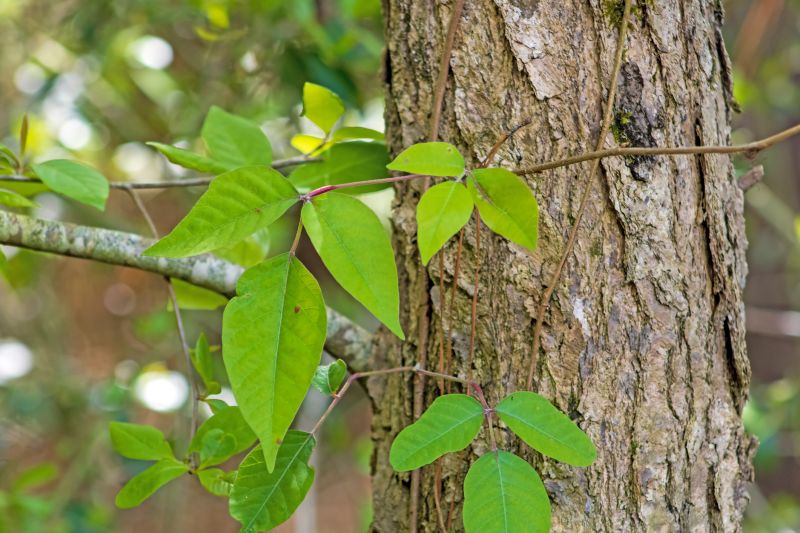
Identifying Poison Ivy
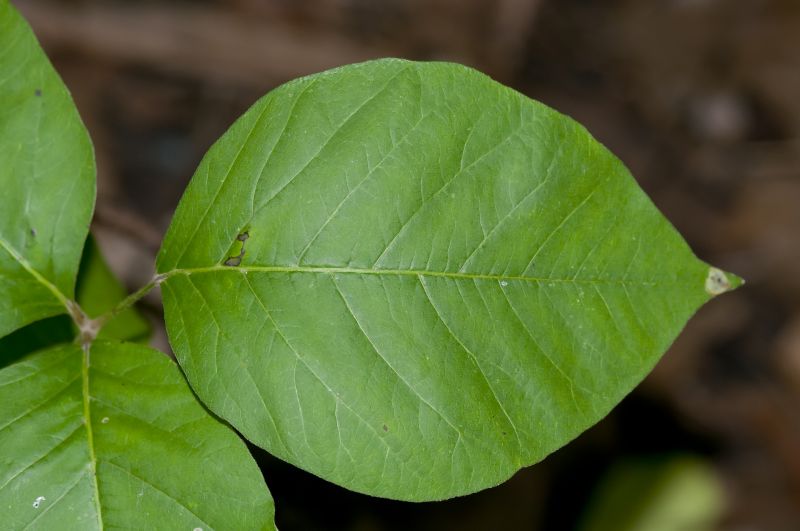
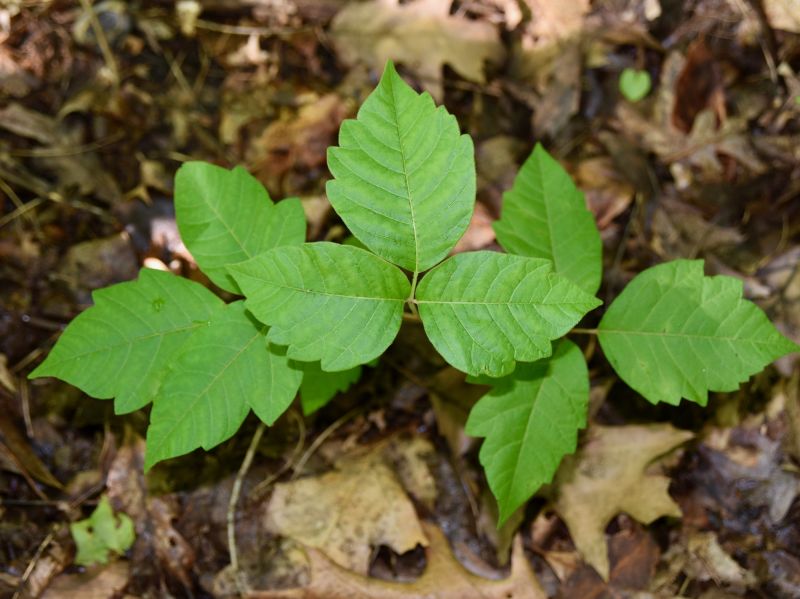
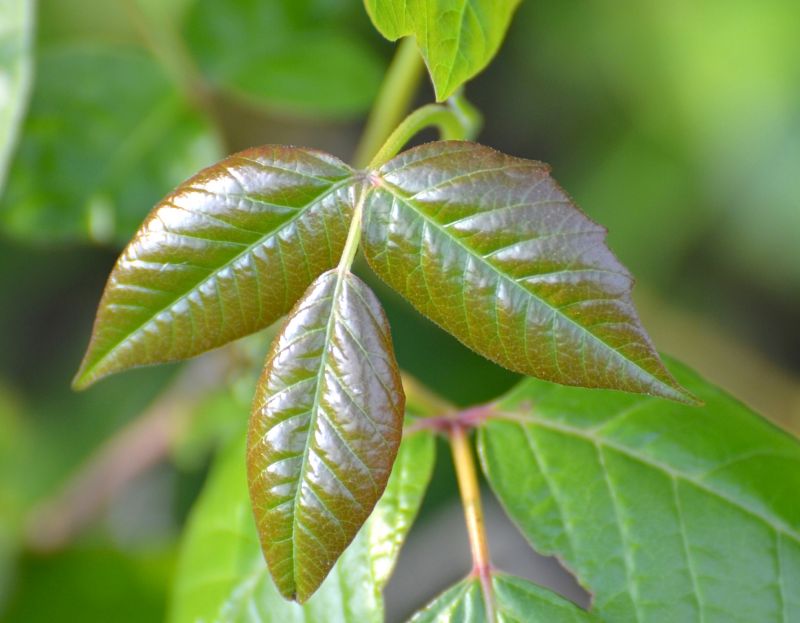
Recognizing the signs of poison ivy helps prevent skin irritation and spreads.
Safe Removal Techniques
Proper removal methods ensure the plant is eliminated without damaging surrounding landscaping.
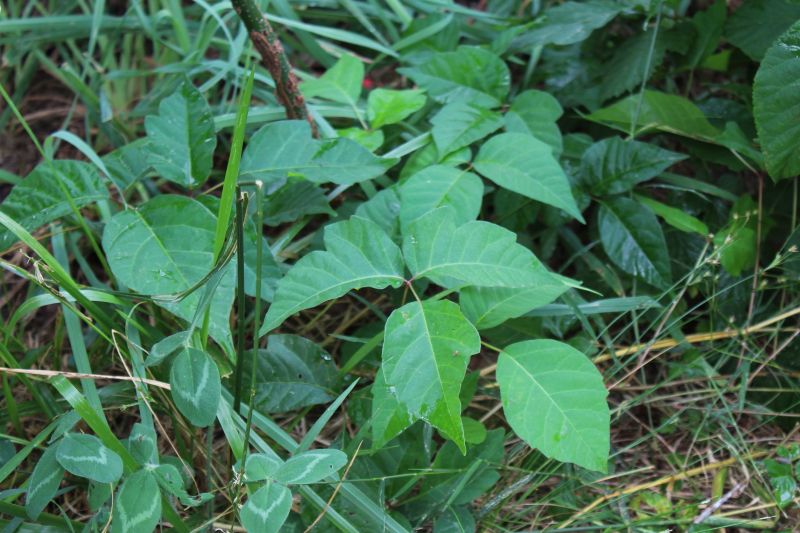
Property Maintenance Tips
Regular inspections and clearing help keep your yard free of poison ivy and safe for outdoor activities.
Poison Ivy Removal in Delaware County, PA

Poison ivy removal services help homeowners eliminate this common and irritating plant from their properties, ensuring safety and reducing the risk of skin reactions. These services typically cover a variety of projects, including clearing poison ivy from lawns, gardens, fence lines, and wooded areas. Property owners interested in this service should understand the importance of proper identification, the potential hazards involved, and the benefits of professional removal to prevent regrowth and protect family members, pets, and visitors from exposure.
Before requesting poison ivy removal, property owners often want to know about the scope of work, such as whether the service includes root removal or just above-ground plants, and if follow-up treatments are recommended. It’s also helpful to understand the methods used to ensure thorough eradication and to clarify any safety precautions to take during and after the process. Proper planning can help maintain a healthy landscape while safely removing unwanted poison ivy growth.
Many property owners in Delaware County, PA look into Poison Ivy Removal for repairs, replacements, upgrades, and appearance-related improvements.
Common Poison Ivy Removal Jobs
Poison Ivy Removal - safe and effective removal of poison ivy from residential properties.
Yard Clearing - removal of poison ivy from lawns, gardens, and outdoor spaces.
Tree and Shrub Treatment - targeted removal of poison ivy growing on trees and shrubs.
Fence Line Clearing - clearing poison ivy along property borders and fencing.
Pathway and Driveway Clearing - removal of poison ivy from walkways, driveways, and patios.
Preventative Removal - ongoing management to prevent poison ivy re-establishment.
Poison Ivy Removal Questions
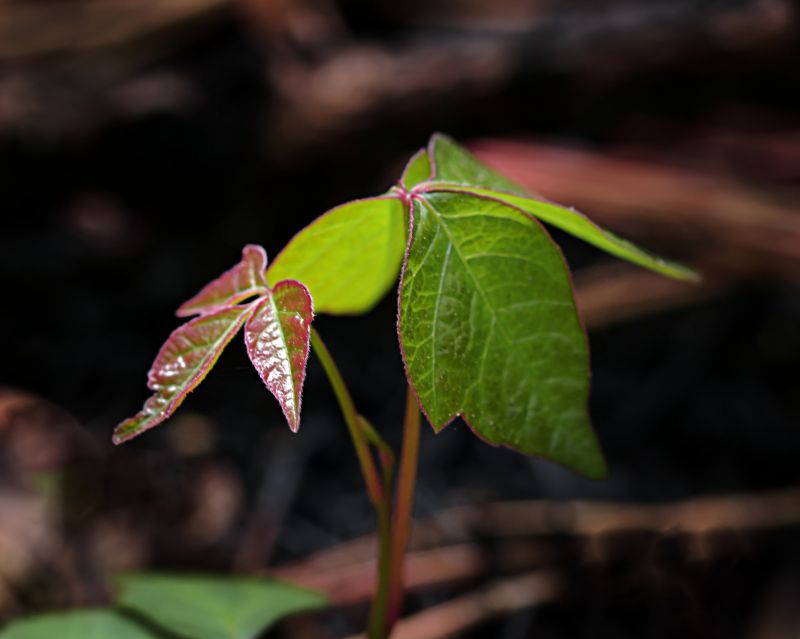
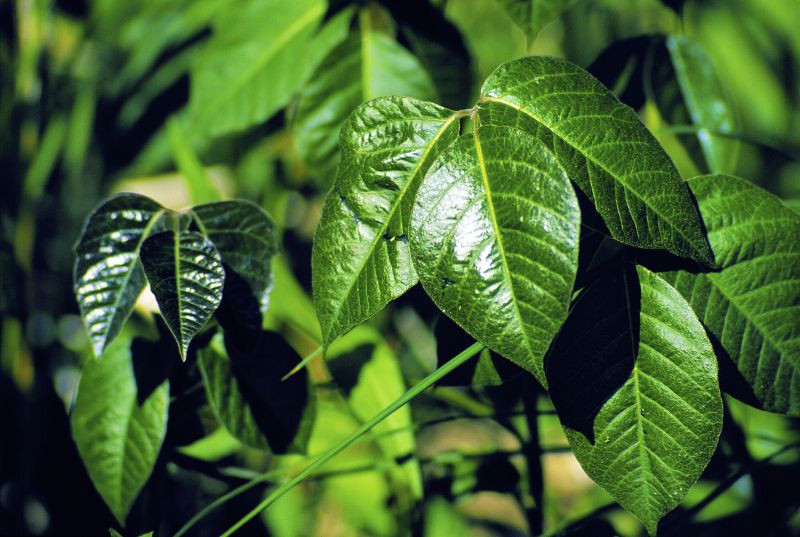
What is poison ivy removal? Poison ivy removal involves safely eliminating plants that cause skin irritation and can harm landscaping or property aesthetics.
When should poison ivy be removed? Removal is recommended when poison ivy is present in areas accessible to children, pets, or where it threatens landscaping health.
What methods are used for poison ivy removal? Techniques include manual removal, herbicide application, and root eradication to prevent regrowth.
Is professional removal necessary? Professional removal ensures safe and effective elimination, reducing the risk of skin irritation and plant regrowth.
Request Poison Ivy Removal in Delaware County, PA
Use the quote form on this page to share the basics of your project and request more information for the type of work you need.